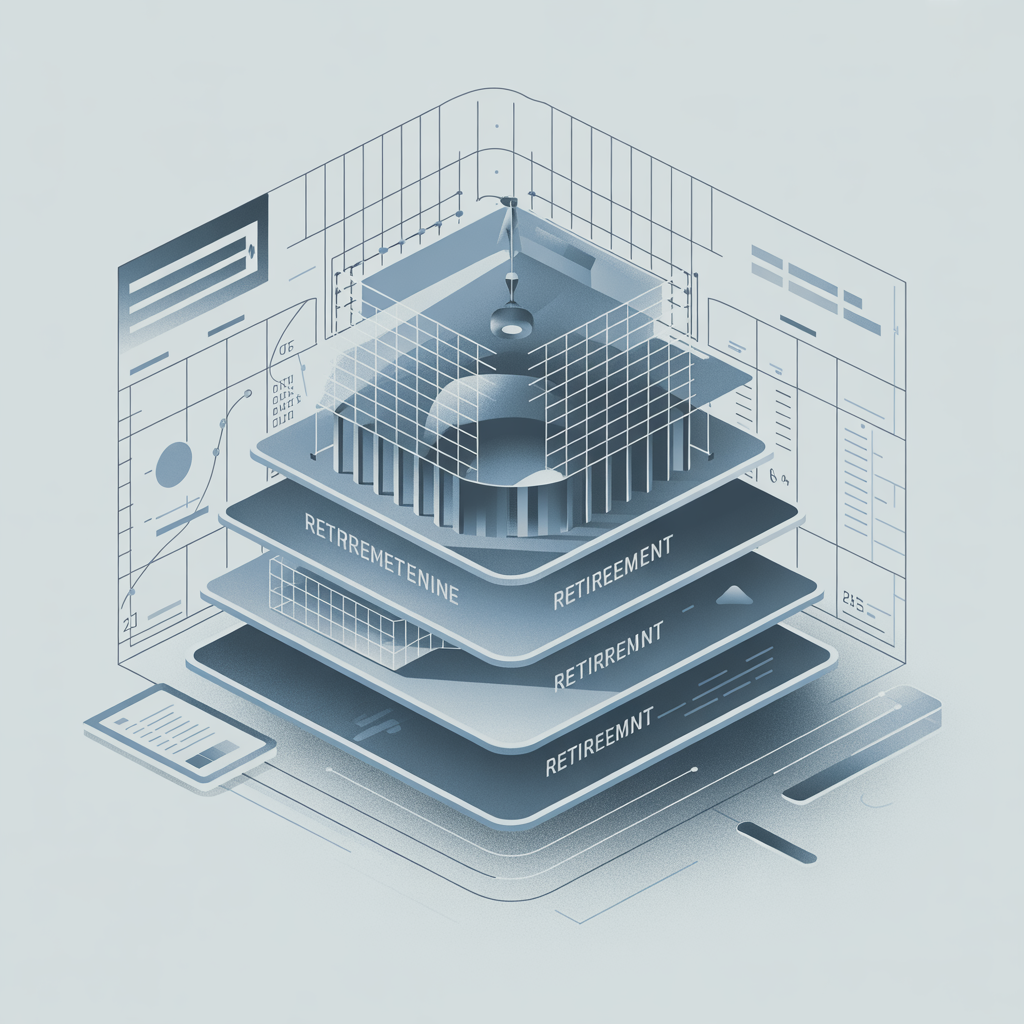
Comparing Digital Information Systems: TSP and Other Structured Public Platforms
Disclaimer:
This article is for educational and informational purposes only and does not provide financial, investment, or account-related advice.
Introduction
Digital public information systems vary widely in design, scope, and functionality, but many share a common goal: organizing complex data into accessible and structured formats. Systems often referenced under TSP are frequently used as conceptual examples when discussing how large-scale informational environments are built and maintained.
This article explores how such systems compare to other structured digital platforms, focusing on architecture, usability, and information organization. The analysis remains strictly informational and does not describe operational use or account-level activity.
What Defines a Structured Public Information System?
A structured public information system is a digital environment designed to present institutional or educational content in an organized and standardized way.
Common characteristics include:
- Hierarchical content organization
- Consistent page layouts
- Categorized informational modules
- Searchable documentation systems
- Non-transactional informational access
In the context of TSP, these characteristics serve as a reference model for understanding structured informational design.
TSP vs General Knowledge Platforms
To understand the role of TSP in a broader context, it is useful to compare it with other types of informational platforms.
1. Structural Focus
- TSP-style systems: Highly structured, category-driven organization
- General knowledge platforms: More flexible and often user-generated
2. Content Stability
- TSP-like systems: Stable, standardized documentation
- Open platforms: Frequently updated by multiple contributors
3. Navigation Design
- TSP systems: Fixed navigation hierarchy
- Other platforms: Dynamic or personalized navigation paths
4. Purpose Orientation
- TSP model: Institutional or educational clarity
- Other systems: Broad informational or collaborative knowledge sharing
Information Architecture Differences
Information architecture refers to how content is structured and connected.
In TSP-like systems, architecture is typically:
- Predefined and controlled
- Organized in strict hierarchical layers
- Designed for predictable navigation
- Focused on clarity over flexibility
In contrast, many modern platforms use:
- Tag-based organization
- Dynamic content relationships
- User-driven categorization
- Algorithmic content discovery
Both approaches serve different informational needs.
Usability and User Interaction Models
User interaction differs significantly depending on system design.
In structured systems like TSP, users typically:
- Follow predefined navigation paths
- Access categorized educational content
- Rely on search and indexing tools
- Interact passively with static information
In other platforms, users may:
- Contribute content
- Interact socially or collaboratively
- Experience personalized content feeds
- Engage dynamically with evolving information
These differences highlight the contrast between structured and adaptive systems.
Data Presentation and Consistency
One of the strongest features of systems like TSP is consistency.
This includes:
- Uniform page layouts
- Standardized terminology
- Predictable section structures
- Controlled formatting rules
Other platforms may prioritize flexibility, allowing varied presentation styles depending on contributors or algorithms.
Why Structured Systems Are Still Relevant
Despite the growth of dynamic platforms, structured systems remain important because they:
- Reduce information overload
- Improve navigation efficiency
- Maintain content reliability
- Support institutional documentation needs
- Provide clear educational frameworks
The TSP model is often referenced as an example of this structured approach.
Conclusion
Comparing TSP-style systems with other digital information platforms highlights fundamental differences in structure, flexibility, and user interaction. While modern platforms often emphasize dynamic content and personalization, structured systems prioritize clarity, consistency, and hierarchical organization.
Both models serve distinct roles in the digital information ecosystem, and understanding their differences helps clarify how large-scale data environments are designed and maintained.
Disclaimer:
This article is for educational and informational purposes only and does not provide financial, investment, or account-related advice.
You May Also Like
Understanding the Structure of the TSP Information System: An Educational Overview

Exploring User Authentication Concepts in Educational Systems Like TSP Login Interfaces