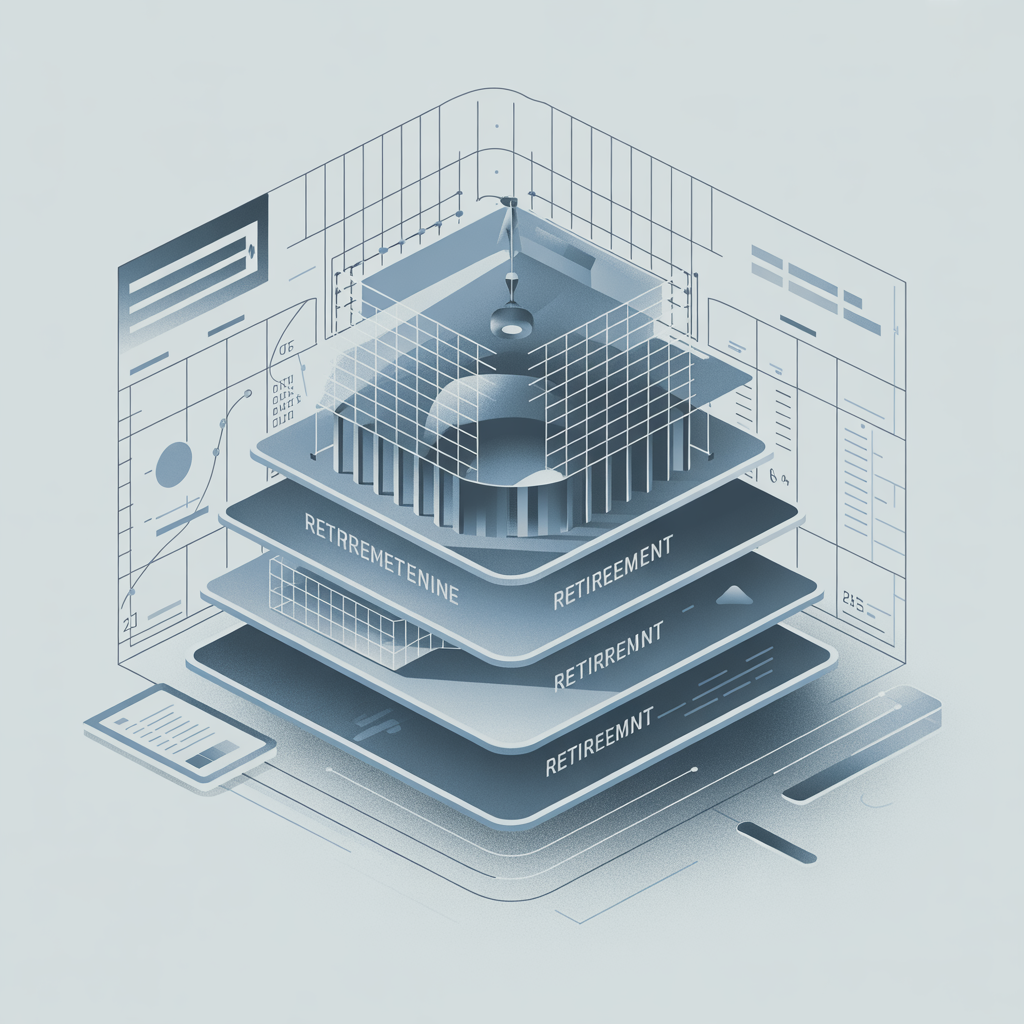
How Educational Platforms Organize Complex Public Systems: A Look at TSP Interfaces
Disclaimer:
This article is for educational and informational purposes only and does not provide financial, investment, or account-related advice.
Introduction
Large informational ecosystems are built to simplify the presentation of complex institutional structures. Platforms associated with systems like TSP are often studied as examples of how digital environments can organize, present, and maintain large volumes of structured content.
The goal of this article is to explain how such educational platforms structure their interfaces, how users typically navigate them, and what design logic supports clarity and usability. The focus remains strictly informational, without any operational or transactional guidance.
Understanding Interface Architecture in TSP-Type Systems
Interface architecture refers to the way content and navigation elements are visually and structurally arranged on a platform.
In systems similar to TSP, the interface is usually built around:
- Layered navigation menus
- Structured dashboards or landing pages
- Categorized informational modules
- Consistent page templates
- Predictable user pathways
This structure ensures that users can explore information without needing prior technical knowledge.
Information Layering and Content Hierarchy
One of the most important aspects of educational system design is content hierarchy.
In a TSP-style environment, information is typically organized into:
Primary Level
Broad categories that define the main structure of the platform.
Secondary Level
Subcategories that break down general topics into more specific areas.
Tertiary Level
Detailed informational pages, explanations, and documentation.
This layered approach helps reduce cognitive overload and improves navigation efficiency.
Navigation Patterns and User Flow
Navigation within structured systems is designed to guide users logically through content.
Common navigation patterns include:
- Horizontal top navigation bars
- Vertical sidebar menus
- Contextual links within articles
- Breadcrumb trails showing location within the system
These elements work together to create predictable user flow, which is essential for comprehension in large informational environments like those associated with TSP.
Visual and Functional Design Principles
The design of such systems is typically governed by principles of clarity and consistency rather than visual complexity.
Key design elements include:
- Minimalist layouts with limited visual noise
- Standardized typography across pages
- Neutral color schemes for readability
- Repeated structural patterns for familiarity
- Responsive layouts for different devices
These choices help ensure that users focus on content rather than interface complexity.
Role of Search and Indexing Systems
Search functionality plays a critical role in large informational platforms.
In systems modeled after TSP, search tools are often:
- Keyword-based
- Context-sensitive
- Integrated with categorized results
- Designed to prioritize relevance over volume
Indexing systems also help organize internal content, making it easier to retrieve specific informational sections quickly.
Educational Value of TSP-Like Interfaces
From a learning perspective, systems such as TSP provide insight into:
- How institutional data is structured digitally
- How hierarchical content improves comprehension
- How navigation systems support user independence
- How consistency reduces learning barriers
These platforms are often referenced in studies of digital information architecture and public system design.
Conclusion
Educational platforms built around structured systems like TSP demonstrate how complex information can be organized into clear, navigable formats. Through hierarchical design, consistent navigation patterns, and standardized presentation, they enable users to explore large datasets without requiring advanced technical understanding.
Such systems are primarily valuable as examples of effective information architecture rather than operational tools.
Disclaimer:
This article is for educational and informational purposes only and does not provide financial, investment, or account-related advice.
You May Also Like
Understanding the Structure of the TSP Information System: An Educational Overview

Exploring User Authentication Concepts in Educational Systems Like TSP Login Interfaces