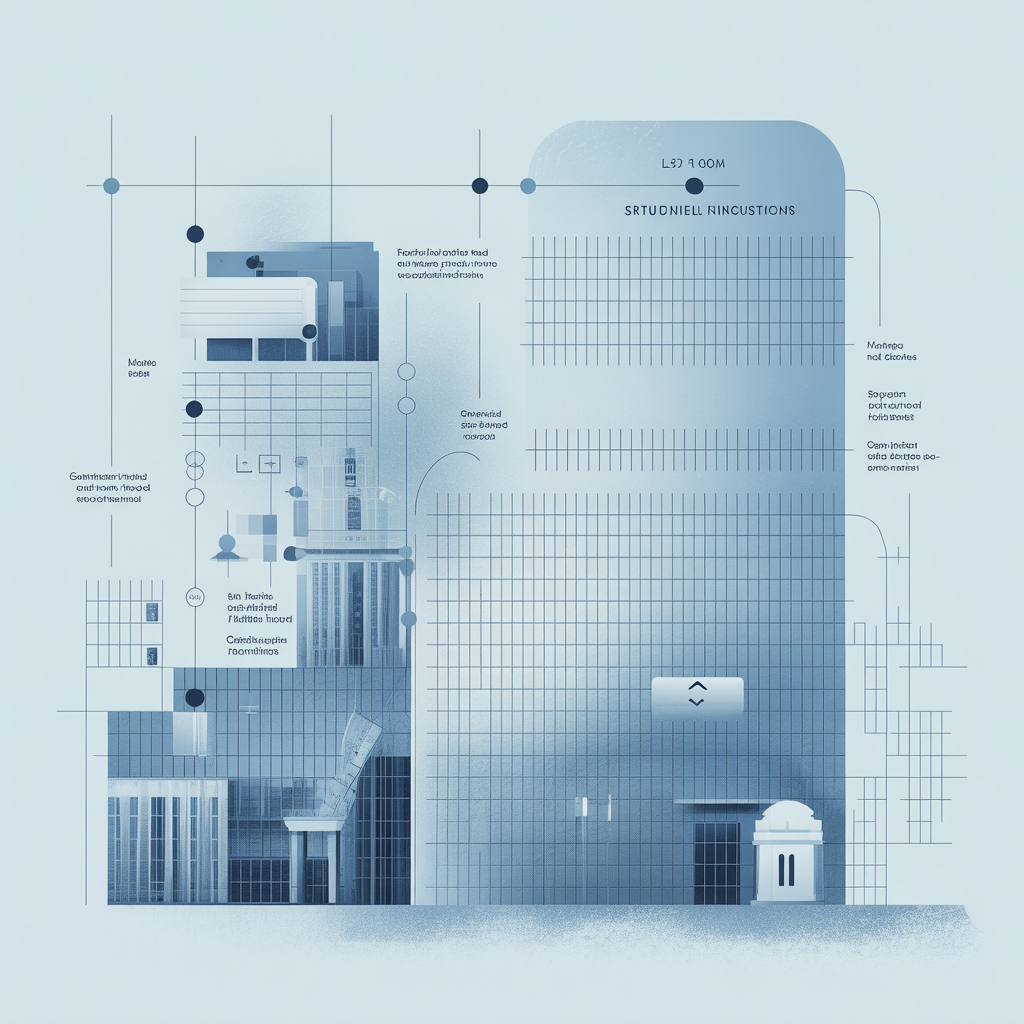
Exploring User Authentication Concepts in Educational Systems Like TSP Login Interfaces
Disclaimer:
This article is for educational and informational purposes only and does not provide financial, investment, or account-related advice.
Introduction
Many large-scale informational platforms include authentication layers that separate general educational content from restricted or personalized areas. In systems often referenced under TSP, login interfaces are used as structural components rather than transactional tools.
This article explains how authentication concepts work in educational system design, how login interfaces are structured, and how they contribute to information segmentation. The discussion remains strictly technical and informational, without any guidance on access, accounts, or personal usage.
What Is an Authentication Layer in Information Systems?
An authentication layer is a controlled entry point that determines how users access different parts of a digital system.
In platforms similar to TSP, authentication may serve to:
- Separate public educational content from restricted sections
- Organize user roles within the system architecture
- Maintain structural consistency across informational modules
- Support secure navigation frameworks
It is important to understand this as a design concept rather than an operational instruction.
Structure of a Typical Login Interface
A login interface in structured systems is usually minimal and function-focused.
Common components include:
1. Input Fields
Basic fields for identifying a user session within the system architecture.
2. System Validation Layer
A backend process that verifies whether access conditions are met.
3. Session Handling Module
Responsible for maintaining user state during navigation.
4. Error Handling Structure
Provides system messages related to authentication issues in a standardized format.
In the context of TSP Login, these elements represent an abstract model of controlled system entry.
Why Systems Use Login Structures
Not all informational platforms require authentication, but when they do, it is typically for structural reasons rather than commercial ones.
Key purposes include:
- Segmenting content by access level
- Organizing system resources efficiently
- Supporting administrative separation of data
- Enabling personalized informational views (non-financial context)
This design approach is common in institutional and educational environments.
Separation Between Public and Structured Content
One of the main functions of login-based architecture is content separation.
In systems like TSP, this can be understood as:
- Public layer: general informational pages accessible without authentication
- Structured layer: organized internal sections designed for specific user roles or system functions
This separation improves clarity and reduces complexity in large-scale information systems.
Security as a Design Principle
Security in this context should be understood as structural integrity rather than personal protection advice.
Key design principles include:
- Controlled access points
- Standardized session handling
- Consistent validation workflows
- Separation of system layers
These mechanisms ensure that the system remains organized and stable under different usage conditions.
User Experience Considerations
Even though login systems are technical in nature, they still influence user experience.
Design considerations include:
- Simplicity of interface layout
- Clear visual hierarchy
- Predictable interaction patterns
- Minimal input requirements
- Consistent feedback messages
In TSP Login-style environments, the emphasis is on clarity rather than complexity.
Conclusion
Authentication structures such as those seen in TSP Login systems are primarily architectural components used to organize access and maintain system structure. They play a key role in separating informational layers and supporting structured navigation within large-scale educational platforms.
Understanding these mechanisms helps in analyzing how digital systems are designed to manage information flow without focusing on transactional or operational usage.
Disclaimer:
This article is for educational and informational purposes only and does not provide financial, investment, or account-related advice.
You May Also Like

How Educational Platforms Organize Complex Public Systems: A Look at TSP Interfaces
Comparing Digital Information Systems: TSP and Other Structured Public Platforms